Separation Anxiety Program
Your dog isn't being spiteful. They're in a panic.
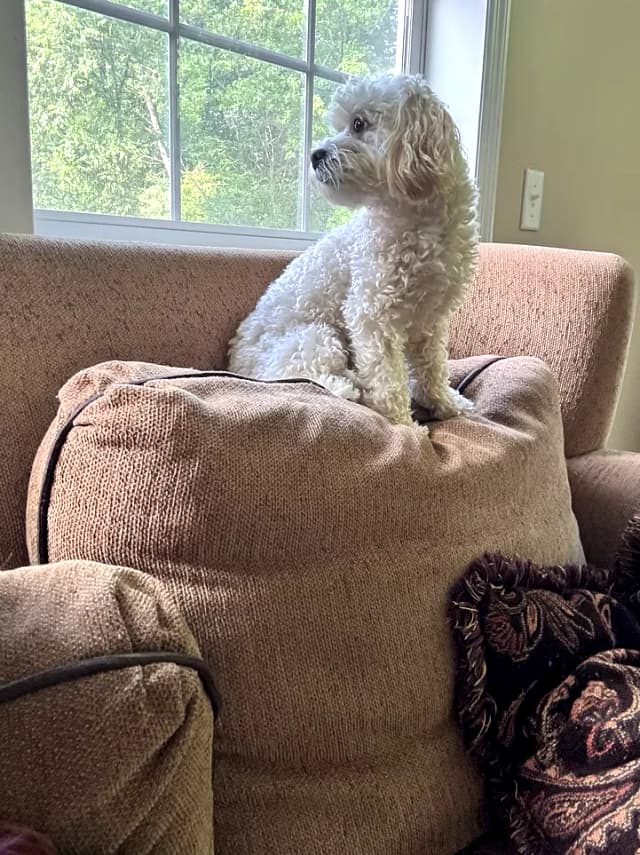
Watching your dog panic every time you leave is heartbreaking. The barking, the destruction, the desperate attempts to escape — it's not just stressful. It's painful to watch an animal you love suffer and feel helpless to stop it.
And the costs add up fast. Replacing crates, repairing doors and blinds, vet bills from escape injuries — not to mention the emotional toll on you and the risk to your security deposit if you're renting.
Separation anxiety is a genuine panic disorder — not a behavior problem, not stubbornness, and not something that resolves with crate training, more exercise, or “tough love.” It can only be formally diagnosed by a licensed veterinarian, and in most moderate to severe cases, it requires a structured treatment program to resolve.
What you need to know
Very mild cases
Can often be treated with behavior work alone.
Moderate to severe cases
85%+ require prescription daily antidepressant medication. Daily medications take 4–8 weeks to build up in the system before they impact anxiety.
Medication requirement (non-negotiable)
If medication is determined necessary, you must be able and willing to start the prescription immediately and maintain it until your veterinarian and I agree that weaning is appropriate.
Issues to rule out before treating for separation anxiety
These conditions can mimic separation anxiety symptoms but require different approaches:
Must-haves for the separation anxiety program
1. Home camera system
- At least one camera (possibly more depending on your dog's movement)
- Corner, high shelf, or wall attachment for maximum room view
- Pan/tilt capability or wide-angle lens
- Audio capability to hear vocalizing
- Records to SIM card or cloud service for review and sharing
- I will never log into your home cameras outside of formal training sessions
2. Never leave your dog alone beyond their current tolerance
- This may require working remotely, hiring a dog walker/sitter, reaching out to neighbors, or using daycare
- If using daycare: your dog must never be kenneled alone. If not in the play yard, they must be resting in an office with a human present
- As the program progresses, your dog will tolerate longer alone periods
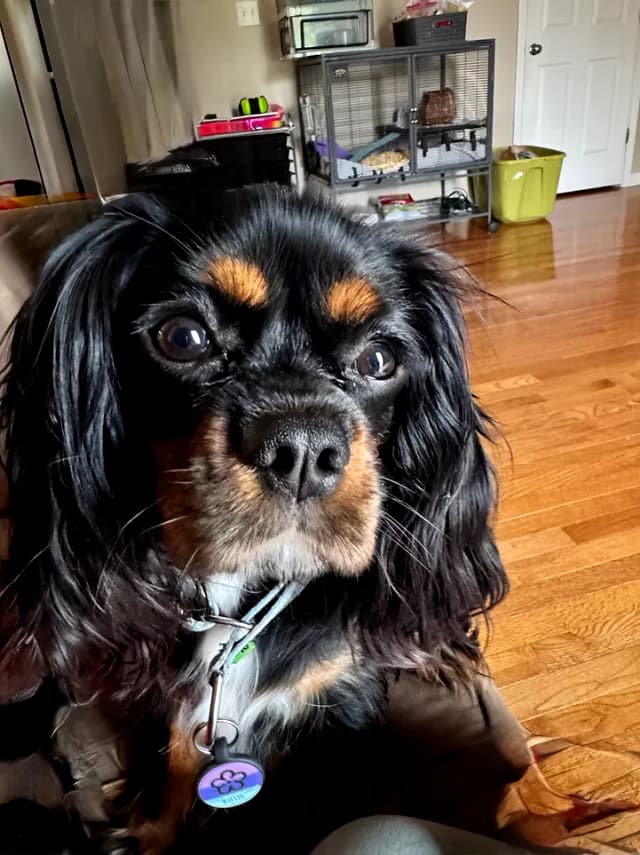
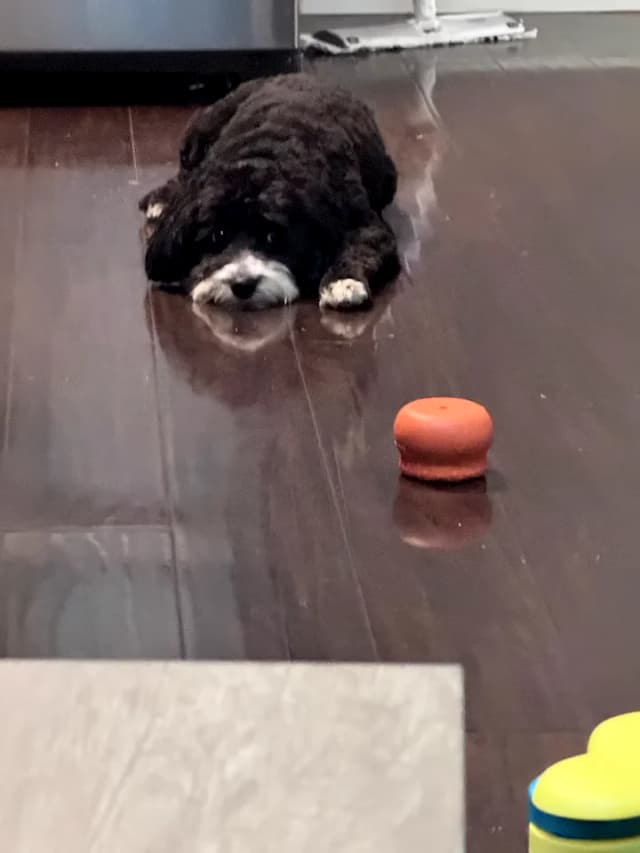
Remember
Separation anxiety is a panic disorder. It is a visceral response to feeling helpless. Your dog is not behaving out of spite because you left without them. They are behaving out of abject terror of being alone. They do not feel comfortable, confident, or safe.
About timelines
Some dogs make great strides early then plateau. Others progress painfully slowly at first then leap forward. Some do well initially then experience setbacks if pushed too hard, requiring us to rebuild confidence. Every dog's path is different. Just like any therapy program, the process takes as long as it takes for the individual dog to gain confidence.
Ready to learn about the program structure?
The 12-week separation anxiety program includes an initial consultation, twice-weekly sessions, video submissions with detailed feedback, and ongoing support.
Ready to change the conversation?
Get StartedWed, Thu, Sat, Sun — 11am–6pm, by appointment only
Jody@NutzAboutMutz.com · Contact form
Antelope Valley, Santa Clarita, San Fernando Valley, Simi Valley & Thousand Oaks · Nationwide by Zoom · Policies
© 2026 Nutz About Mutz · Jody Epstein, MS, ACAAB, CDBC, FFCP · Board-Certified Applied Animal Behaviorist